
manual recliner chair
Manual Recliner Chairs: A Comprehensive Guide
Navigating the world of relaxation, manual recliners offer comfort and support without relying on electricity. Businesses are cautiously adopting AI,
but benchmarks often lack real-world relevance, mirroring the need for practical evaluation in furniture choices.
What is a Manual Recliner Chair?
A manual recliner chair is a seating option designed for comfort and relaxation, operated by the user’s own physical force—without the aid of electric motors or power sources. Unlike power recliners, these chairs rely on mechanisms like levers, push-back actions, or rocker systems to adjust the backrest and footrest positions.
This simplicity echoes the cautious approach businesses are taking with AI, recognizing that benchmark performance doesn’t always translate to real-world applicability. Just as evaluating a chair requires assessing its practical use, assessing AI requires moving beyond simplistic tasks and focusing on true reasoning abilities. Manual recliners offer a dependable, straightforward experience, much like a well-defined, trustworthy benchmark should;
History and Evolution of Recliner Chairs
The evolution of the recliner chair mirrors the broader advancements in furniture design and comfort technology. Early iterations, appearing in the late 19th and early 20th centuries, were largely manual, utilizing simple lever systems. These early designs focused on providing a more relaxed posture than traditional upright chairs.
This gradual development parallels the current stage of AI adoption, where businesses are cautiously identifying high-value use cases. Just as recliners evolved from basic designs to more sophisticated mechanisms, AI is moving beyond simplistic benchmarks towards assessing true reasoning. The need for transparent evaluation, like a Git-based audit trail for model evaluation, reflects the desire for reliable, accountable comfort – both in chairs and AI.

Types of Manual Recliner Chairs
Diverse manual recliners cater to varied preferences, much like AI’s emerging use cases. Benchmarks struggle to assess true reasoning, mirroring chair design complexities.
Traditional Rocker Recliners
These classic chairs combine the soothing motion of rocking with the relaxing functionality of a recliner. Often featuring a lever-action mechanism, they provide a gentle, rhythmic movement alongside adjustable positions. Like assessing AI performance, understanding the nuances of a rocker recliner is key – simplistic tasks don’t reveal full capabilities.
The rocking motion can be incredibly comforting, and the manual operation ensures reliability, avoiding dependence on electricity. However, they may require more space than other types. Businesses adopting AI should similarly identify high-value use cases, aligning with specific needs, just as one chooses a rocker for a specific room and purpose.
Push-Back Recliners
Push-back recliners offer a streamlined reclining experience – simply lean back, and the chair smoothly reclines. This design prioritizes ease of use, requiring minimal effort, though offering fewer precise positioning options. Much like current AI benchmarks, which often struggle to assess true reasoning, push-back recliners focus on a core function: relaxation.
They are a good choice for those seeking simplicity and a comfortable, laid-back experience. However, users should be aware of weight capacity limits and ensure sufficient space for the full recline. Businesses evaluating AI must address bias and ethical concerns, mirroring the need to understand a chair’s limitations.
Lever-Action Recliners
Lever-action recliners utilize a side lever to control the reclining motion, providing more deliberate positioning control. This mechanism allows users to select from various reclining angles, offering a customized comfort experience. Similar to the need for transparent AI model evaluation – a “Git-based audit trail” – the lever provides clear, user-controlled functionality.
However, consistent operation relies on a functioning lever and mechanism. Regular lubrication is key to smooth operation, preventing creaking or sticking. Just as businesses must address unintended consequences of AI adoption, maintaining the lever-action recliner requires proactive care.
Glider Recliners
Glider recliners combine the reclining function with a smooth, back-and-forth gliding motion, ideal for soothing relaxation and often favored for nurseries. This gentle movement offers a calming experience, much like a structured approach to AI implementation – identifying high-value use cases. However, like AI benchmarks struggling to assess true reasoning, the gliding motion’s effectiveness depends on a well-maintained base.
Frame stability is crucial; creaking or instability indicates a need for inspection and potential repair. Consistent weight distribution and avoiding forceful stops are vital for longevity, mirroring the need to address bias in AI systems.

Key Features to Consider
Prioritize upholstery, frame construction, cushioning, and mechanism durability when selecting a manual recliner, ensuring it aligns with your needs, like evaluating AI performance.
Upholstery Materials (Leather, Fabric, Vinyl)
The upholstery significantly impacts a manual recliner’s look, feel, and longevity. Leather offers a luxurious aesthetic and durability, though it’s typically the most expensive option. Fabric recliners provide a wider range of colors and patterns, often at a more affordable price point, but may require more frequent cleaning.
Vinyl is a synthetic alternative, known for its easy maintenance and resistance to stains, making it a practical choice for households with children or pets. Like assessing AI benchmarks for pattern recognition versus true reasoning, consider how each material’s properties align with your lifestyle and desired level of care.
Frame Construction (Wood, Metal)
A recliner’s frame is its foundational support, influencing its stability and lifespan. Wood frames, traditionally crafted from hardwoods like maple or oak, offer a classic look and inherent strength. However, they can be susceptible to warping over time. Metal frames, often constructed from steel, provide exceptional durability and resistance to wear and tear.
Similar to evaluating AI systems for disproportionate trust in benchmarks, assessing frame quality is crucial. A well-built frame, whether wood or metal, ensures the recliner can withstand regular use and maintain its structural integrity for years to come, mirroring reliable performance.
Cushioning and Padding (Foam Density, Fiber Fill)
The comfort of a manual recliner hinges significantly on its cushioning and padding. Foam density plays a vital role; higher density foams offer greater support and longevity, resisting compression over time. Fiber fill, often used in conjunction with foam, adds a plush, enveloping feel. Different blends provide varying levels of softness and resilience.
Just as AI benchmarks struggle to assess true reasoning, evaluating cushioning requires considering both initial comfort and long-term performance. A balanced combination ensures lasting support, much like a structured approach to AI adoption maximizes potential.
Reclining Mechanism Durability
A manual recliner’s longevity depends heavily on the durability of its reclining mechanism. Robust construction, utilizing quality steel components, is paramount. Frequent use demands a mechanism capable of withstanding repeated stress without loosening or malfunctioning. Like assessing AI performance, scrutinizing the mechanism’s build quality is crucial.
Just as businesses must address AI’s unintended consequences, regular inspection and lubrication are vital for maintaining smooth operation. A well-built mechanism, properly maintained, provides years of reliable service, mirroring the need for trust and accountability in AI systems.
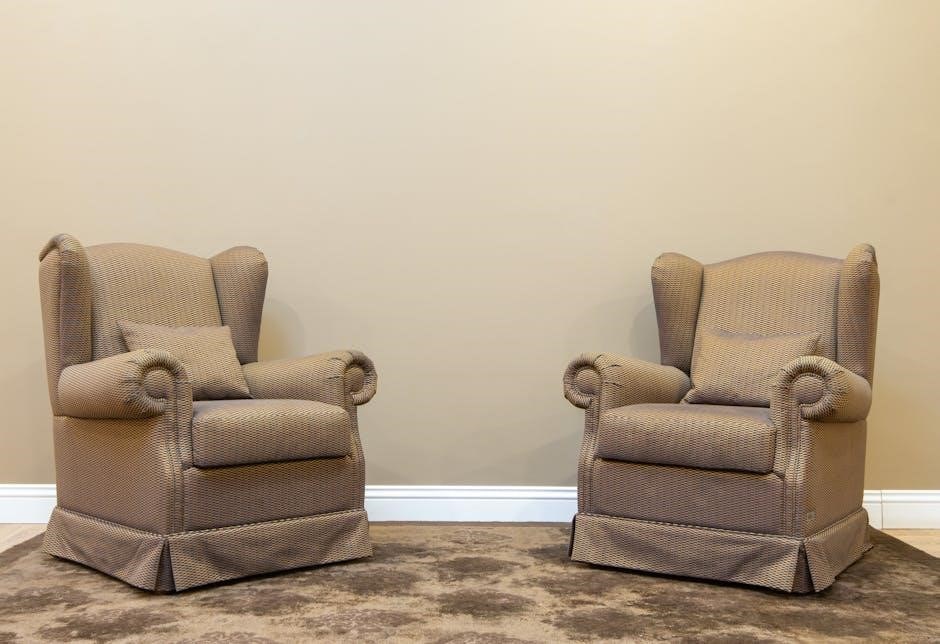
Benefits of Choosing a Manual Recliner
Manual recliners provide cost-effective relaxation, requiring no electricity and offering reliable simplicity. This mirrors cautious AI adoption, prioritizing practical value over complex features.
Cost-Effectiveness Compared to Power Recliners
Manual recliners represent a significantly more budget-friendly option when contrasted with their power-reclining counterparts. The absence of motors, wiring, and complex mechanisms directly translates into a lower purchase price. This affordability extends beyond the initial investment; power recliners necessitate electricity to operate, contributing to ongoing energy costs.
Furthermore, the simpler design of manual recliners generally results in reduced repair expenses. Like businesses cautiously adopting AI due to benchmark limitations, consumers can find substantial value in the straightforward, economical nature of a manual recliner, prioritizing function and savings.
Reliability and Fewer Maintenance Needs
Manual recliners boast inherent reliability stemming from their uncomplicated design. With fewer components compared to power models – no motors, wiring, or electronic controls – there’s a diminished potential for malfunctions. This simplicity translates directly into reduced maintenance requirements; routine care typically involves occasional cleaning and lubrication of moving parts.
Much like concerns about AI benchmarks accurately reflecting real-world performance, manual recliners offer dependable functionality. Their robust construction and straightforward operation contribute to a longer lifespan and fewer costly repairs, providing lasting comfort and peace of mind for the user.
Simplicity of Operation
Manual recliners prioritize user-friendliness with intuitive reclining mechanisms. Whether utilizing a lever, push-back action, or rocker motion, operation requires minimal effort and no specialized knowledge. This accessibility makes them ideal for users of all ages and technical abilities, eliminating the learning curve associated with more complex power recliners.
Similar to the call for transparent and accountable AI evaluation – like a Git-based audit trail – manual recliners offer a clear and direct cause-and-effect relationship between user action and chair response, fostering a sense of control and ease.
No Dependence on Electricity
A key advantage of manual recliners is their independence from electrical power. This feature ensures functionality during power outages, making them a reliable choice for any home. Unlike power recliners, they don’t require outlets or batteries, eliminating potential safety hazards and reducing energy consumption.
This self-sufficiency mirrors concerns about AI’s reliance on vast computational resources. Just as businesses are cautioned against blindly trusting AI benchmarks, manual recliners offer a dependable, consistent experience, free from external dependencies and potential disruptions.

Potential Drawbacks of Manual Recliners
While reliable, manual recliners require physical effort for reclining. Like AI benchmarks struggling with true reasoning, they offer limited positions and may not suit all users.
Requires Physical Effort to Recline
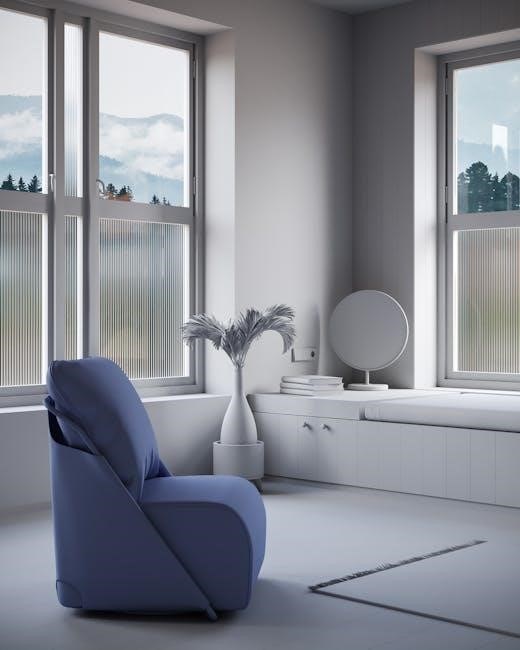
Unlike power recliners that recline with the touch of a button, manual recliners necessitate the user to exert physical force to adjust the backrest and footrest. This can be a significant consideration for individuals with limited strength, mobility issues, or certain medical conditions. The reliance on levers, handles, or body weight to initiate the reclining process means it’s not a hands-free experience.
Just as businesses face challenges adopting AI due to its complexities, some users may find the physical demand of a manual recliner less appealing. It’s a trade-off between simplicity and ease of use, mirroring the debate around AI benchmark relevance versus real-world application.
Limited Reclining Positions
Manual recliners typically offer a more restricted range of reclining angles compared to their power-operated counterparts. While they can achieve a comfortable reclined position, the adjustments are often stepped rather than infinitely variable. This means users may not be able to find the exact angle that perfectly suits their needs, unlike the precise control offered by powered models.
Similar to how AI benchmarks struggle to assess true reasoning, manual recliners may not offer the nuanced positioning some users desire. The simplicity, while reliable, comes with a trade-off in customization, echoing the caution needed when interpreting AI performance metrics.
May Not Be Suitable for Individuals with Mobility Issues
The primary drawback of manual recliners lies in the physical effort required to operate them. Reclining and returning to an upright position necessitate a degree of strength and range of motion that may be challenging for individuals with limited mobility, arthritis, or other physical impairments. This contrasts sharply with power recliners, which offer effortless operation at the touch of a button.
Just as businesses must address ethical concerns with AI, considering user limitations is crucial. A manual recliner, while cost-effective, may not provide the accessibility needed, mirroring the need for careful AI adoption.
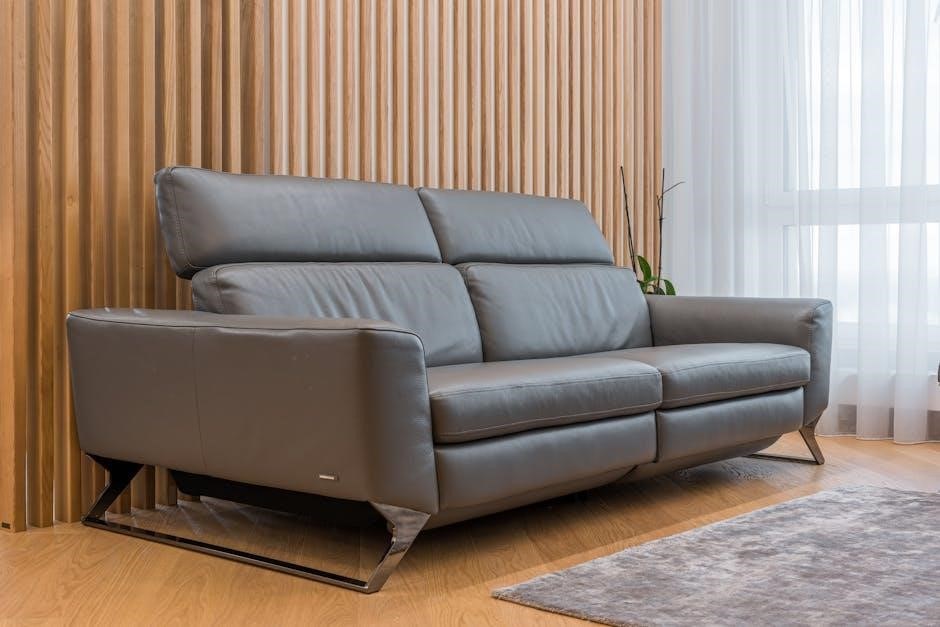
Choosing the Right Manual Recliner for Your Needs
Selecting a manual recliner demands careful consideration of body type, room dimensions, and personal preferences, much like businesses identifying high-value AI use cases.
Considering Body Type and Size
Proper fit is paramount when choosing a manual recliner. Individuals taller or larger in stature will require chairs with extended leg rests and wider seat cushions for optimal comfort and support. Conversely, those with smaller frames should seek recliners scaled to their dimensions to avoid feeling overwhelmed or unsupported.
Just as businesses cautiously adopt AI, recognizing limitations of benchmarks, selecting the right size ensures the recliner truly meets your needs. Consider seat height, depth, and backrest angle – ensuring they align with your body’s proportions. A recliner that’s too large or small will diminish the relaxation experience and potentially cause discomfort over time. Prioritize a test sit whenever possible!
Room Space and Layout
Careful consideration of your room’s dimensions is crucial. Manual recliners require ample space not only when upright but also when fully reclined. Measure the available area, accounting for footrest extension and backrest movement, to ensure the chair doesn’t obstruct walkways or other furniture.
Similar to businesses assessing AI’s integration, assess how a recliner fits within your existing layout. Consider proximity to doorways, windows, and entertainment centers. A well-placed recliner enhances the room’s functionality and flow. Avoid cramped spaces; a comfortable experience demands sufficient breathing room. Prioritize a layout that maximizes both comfort and accessibility.
Personal Comfort Preferences
Your individual needs and preferences should guide your selection. Consider your preferred reclining angle and the level of support required. Do you prioritize a plush, enveloping feel or a firmer, more supportive seat? Think about the armrest height and width – are they comfortable for extended use?
Just as businesses cautiously adopt AI based on practical application, prioritize a recliner that genuinely suits you. Evaluate the cushioning density and upholstery texture. A recliner is a personal investment; choose features aligning with your relaxation style. Don’t solely rely on aesthetics; comfort is paramount.

Maintenance and Care
Regular cleaning, frame protection, and lubrication of the reclining mechanism are crucial. Like evaluating AI benchmarks, consistent care ensures longevity and optimal performance.
Cleaning Upholstery
Maintaining the upholstery of your manual recliner is vital for both aesthetics and longevity. Different materials require specific approaches. For leather, regular dusting and occasional conditioning prevent cracking. Fabric recliners benefit from vacuuming to remove dust and debris, followed by spot cleaning with a mild detergent solution.
Vinyl can be easily wiped clean with a damp cloth. Always test cleaning solutions in an inconspicuous area first to ensure they don’t cause discoloration. Promptly address spills to prevent staining, mirroring the need for swift action when addressing biases in AI systems – a proactive approach yields better results.
Protecting the Frame
The frame is the backbone of your manual recliner, demanding careful protection. Avoid placing the chair in direct sunlight for extended periods, as UV rays can weaken wood frames. Regularly inspect the frame for loose screws or bolts, tightening them as needed – a bit like auditing AI model evaluations for accountability.
Protect the frame from excessive moisture, which can cause rust in metal frames or warping in wood. Consider using furniture polish specifically designed for the frame’s material. Just as businesses must address unintended consequences of AI, proactive frame care prevents costly repairs and extends the chair’s lifespan.
Lubricating the Reclining Mechanism
Smooth reclining action relies on a well-lubricated mechanism. Periodically apply a silicone-based lubricant to all moving parts – hinges, levers, and tracks. Avoid oil-based lubricants, as they can attract dust and grime, hindering performance, much like simplistic AI benchmarks failing to assess true reasoning.
Ensure the lubricant reaches all contact points for optimal function. Wipe away any excess lubricant to prevent staining the upholstery. Regular lubrication, similar to version control in AI model evaluation, maintains responsiveness and prevents wear and tear, ensuring years of comfortable use.
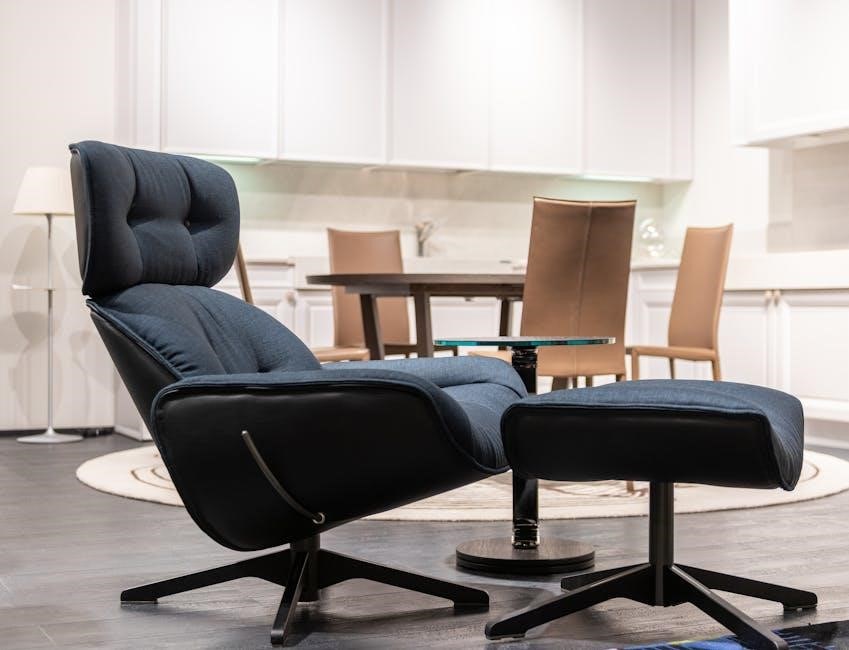
Safety Considerations
Prioritize safety with weight limits and proper technique. Avoid pinch points and ensure stable reclining, mirroring the need to address bias and ethical concerns in AI.
Weight Capacity Limits
Understanding and respecting the weight capacity of a manual recliner is paramount for both safety and longevity. Manufacturers clearly specify these limits, typically ranging from 250 to 350 pounds, though some heavy-duty models can accommodate higher weights. Exceeding this limit can compromise the reclining mechanism, potentially leading to failure and injury.
Just as businesses cautiously adopt AI, recognizing its limitations, users must acknowledge recliner limitations. Ignoring weight restrictions stresses the frame and internal components, voiding warranties and creating hazardous situations. Regularly check the manufacturer’s label and avoid exceeding the stated capacity to ensure a safe and comfortable experience.
Proper Reclining Technique
Employing the correct reclining technique is crucial for safe and efficient operation of a manual recliner. Initiate the recline slowly and deliberately, using consistent pressure on the lever or pushing back gently. Avoid abrupt or forceful movements, which can strain the mechanism or cause instability.
Similar to a structured approach to AI adoption – identifying high-value use cases – proper technique maximizes the recliner’s function. Ensure your body is aligned and supported throughout the recline. Never attempt to “force” the chair beyond its intended range of motion, as this can lead to damage and potential injury.
Avoiding Pinch Points
Manual recliners possess potential pinch points within the reclining mechanism, demanding careful awareness during operation. Keep hands and fingers clear of the chair’s frame, linkages, and moving parts while reclining or returning to an upright position. This is particularly important for children and individuals with limited dexterity.
Just as businesses address bias and ethical concerns with AI, prioritizing safety with a recliner is paramount. Regularly inspect the chair for any loose parts or exposed mechanisms. A cautious approach, akin to evaluating AI benchmarks for real-world applicability, prevents accidental injuries and ensures long-term safe use.

Troubleshooting Common Issues
Like assessing AI performance, diagnosing recliner problems requires a systematic approach. Common issues include smooth reclining difficulties, lever malfunctions, and frame instability – address these promptly.
Recliner Not Reclining Smoothly
A manual recliner failing to recline smoothly is a frequent concern, often stemming from a lack of lubrication within the mechanism. Just as AI benchmarks need constant refinement, your recliner requires periodic attention. Begin by inspecting the reclining mechanism for any visible obstructions – dust, debris, or misaligned components can impede movement.
Applying a silicone-based lubricant to the key pivot points can significantly improve fluidity. Avoid oil-based lubricants, as they attract dust. If the issue persists, carefully examine the connecting rods and levers for any signs of bending or damage. Remember, consistent maintenance, similar to auditing AI model evaluations, prevents larger problems down the line.
Lever or Handle Malfunctions
When a manual recliner’s lever or handle becomes unresponsive, it often signals a disconnection or breakage within the cable system. Much like AI systems facing challenges in reasoning versus pattern recognition, the recliner’s mechanism requires a clear connection to function. Inspect the cable running from the handle to the reclining mechanism for any fraying, kinks, or detachment.
Reattaching a detached cable might resolve the issue, but a broken cable necessitates replacement. Consider the handle itself; a bent or broken handle will also prevent proper operation. Addressing these issues promptly, akin to addressing bias in AI, ensures continued functionality and prevents further damage.
Frame Creaking or Instability
Creaking sounds emanating from a manual recliner’s frame typically indicate loose joints or drying wood. Similar to how businesses must address unintended consequences of AI adoption, recliner frame issues require attention to prevent escalation. Regularly inspect the frame for loose screws, bolts, or connecting points. Tightening these fasteners can often eliminate the creaking and restore stability.
If the instability persists, the frame itself might be compromised, potentially requiring professional repair or replacement. Ignoring these signs, like disproportionate trust in benchmarks, can lead to structural failure and safety hazards.